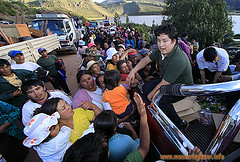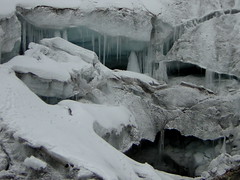
Evelyn Merino’s beautiful work, “Lima más Arriba”, a collection of photographs taken from the skies above Lima over the course of 6 years.
Category: "Lima City Guide"

Hidden Lima Travel Ideas
The Lima region has a huge collection of great hiking and nature walks on offer, many of which are easily accessible from the traveller-friendly downtown districts of Miraflores and Barranco, like the Lomas de Lúcumo.

The Dakar Rally Heads To Peru
The 2012 Dakar Rally is heading to Peru as South America was chosen to host the event for the fourth consecutive time. Peru will play host to the final four stages of the off-road rally race after the drivers have completed the first stages in Argentina and Chile.

Hidden Lima: Callao’s La Punta
After two centuries, La Punta is still a destination for those in search of a tranquil respite from the rest of the Lima-Callao conurbation. The peacefulness here is more like that of a small town than the district of an enormous major metropolitan area.

Lomas de Lúcumo – Green Lima
The Lomas de Lúcumo are a series of green and pleasant hills just minutes from grey Lima.

Baños de Miraflores
Back when Miraflores was a small seaside town some way outside Lima, long before the construction of the highway that runs along the foot of the cliffs of the Costa Verde, the well-to-do of Lima would walk down the cobbled street of the Bajada Balta to the beach resort to spend a summer’s afternoon by the sea.

Recommended routes – Lima combi travel made ridiculously easy
“I had to find out what was going on. Lima’s often cramped and uncomfortable combis – minivans used as buses – couldn’t possibly be that interesting, could they?”

Teatro Municipal de Lima
Opened in 1920 with ownership then transferred to the city in 1929, the Municipal Theatre was considered among the best on the continent. Suffering complete destruction in a fire that left only a shell in 1998, long delayed restoration has finally been completed with the re-inauguration taking place on the 11th of October 2010.

Meet Pablo Valverde, traditional picaronero
He has been selling picarones for 20 years in the Parque Kennedy of Miraflores, and has gone on to take part in a number of gastronomic fairs including Mistura. He is Pablo Valverde, the picaronero.

Chicharrón for breakfast, there’s nothing like it
Pieces of pork belly, slowly cooked in its own fat. Juicy and with more taste than before the pork is placed in bread with some sweet potato, fresh onion and specks of rocoto chilli. So wrong yet so right.

Organic Food in Lima
Healthy, organic and in all cases tasty. Organic options are growing in availability in the gastronomic capital of the Americas.

Ancón
Originally famous as an exclusive beach resort in the mid 20th century, it is more popular today with the new population of Lima’s sprawling north. Its mix of Republican-era mansions and beach-front modern apartments still make it a very attractive place to visit.