A regular tourist stop, the Molino (mill) of Sabandia is located 8km from the city of Arequipa. Built in 1785 in white sillar volcanic stone, its architectural style is very in-keeping with the region.
Category: "Arequipa Guide"

Puente de Fierro
Designed by a well known frenchman, Gustave Eiffel of tower fame, the Puente de Fierro (or Bolivar as it is sometimes called) was built in 1882 to be used as a viaduct for the train route to Cusco. At 488m long it was the longest in the world at the time, until some years later it was beaten by a Scottish bridge. Even today, not including suspension bridges, it is still the 7th longest bridge that exists.

Founder’s Mansion
The city of Arequipa was founded in 1540 by Garcí Manuel de Carbajal, who in the nearby fertile lands of Huasacache built his mansion. Huasacache, in the valley of the river Socabaya only a short distance from the city, passed through various hands over the years until it was bought by Jesuit missionaries.

The Dakar Rally Heads To Peru
The 2012 Dakar Rally is heading to Peru as South America was chosen to host the event for the fourth consecutive time. Peru will play host to the final four stages of the off-road rally race after the drivers have completed the first stages in Argentina and Chile.

Hidden Arequipa Travel Ideas
The famously beautiful Arequipa is, like all grand and majestic cities, full of hidden surprises.

Arequipa is not all canyons and volcanoes, it has beaches too!
This Arequipa leaves behind its snow, its dormant volcanoes and its colonial splendour. It is more humble, much warmer and lets the sea bathe its naked shores that are still untouched by modern man – privilege of few places. Welcome to the beaches of Caravelí, among them, Puerto Inka.

Caravelí
At 12 hours from the Peruvian capital Lima, Caravelí, in the Arequipan province of the same name, was lucky to survive and keep – thanks to its relative isolation – its splendid bodegas of wines and piscos. Other towns in the south weren’t so lucky and were pillaged and burnt to the ground by Chilean troops in the War of the Pacific. This year the town presented itself in the national pisco contest that took place in Lima and took first place for its exemplary pisco of black creole grape, called El Comendador.

Ruins of Maucallacta
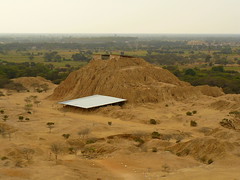
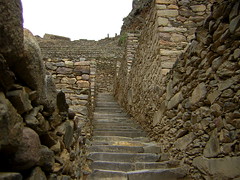
Six hours from Arequipa, on the route to the Coropuna volcano, are the ruins of an ancient ceremonial centre eventually assimilated by the Inca Empire. Today, Polish and Peruvian archaeologists, with the help of locals, are restoring what is truly a lost treasure.

Cruz del Condor
About 50km west of Chivay, Cruz de Condor is a lookout point over the Colca Canyon that is considered one of the best places to witness Condors in flight in their natural habitat.
The lookout, 1,200m above the canyon river, fills up with crowds each morning hoping that conditions are right for the condors to fly.

Chivay
The small town of Chivay is most people’s entry point into the Colca Canyon. It sits near the Colca Valley’s wider end, the mouth of the valley, and from here a small road travels a slow couple of kilometres to Cabanaconde via several other small villages.

Colca Canyon
Twice as deep as the Grand Canyon in the United States, the Colca Canyon in Arequipa is the second deepest in Peru and the Americas, second only to the Cotahuasi Canyon just a short distance away.
It’s difficult to measure the exact depth. Do you measure the deepest point or the average depth, how do you choose the deepest point, do you measure from the peaks that line the canyon, peaks that tower not only over the canyon but also over all the surrounding area?

Rocoto Relleno
Perhaps Arequipa’s signature entrée is the Rocoto Relleno. The rocoto is a chilli of Andean origin used for over 5000 years – one of the first to be domesticated. It looks very similar to a bell pepper but as one of the world’s spicier chillis, you can bet it doesn’t taste like one. In fact is is about 50 times spicier than a jalapeño.